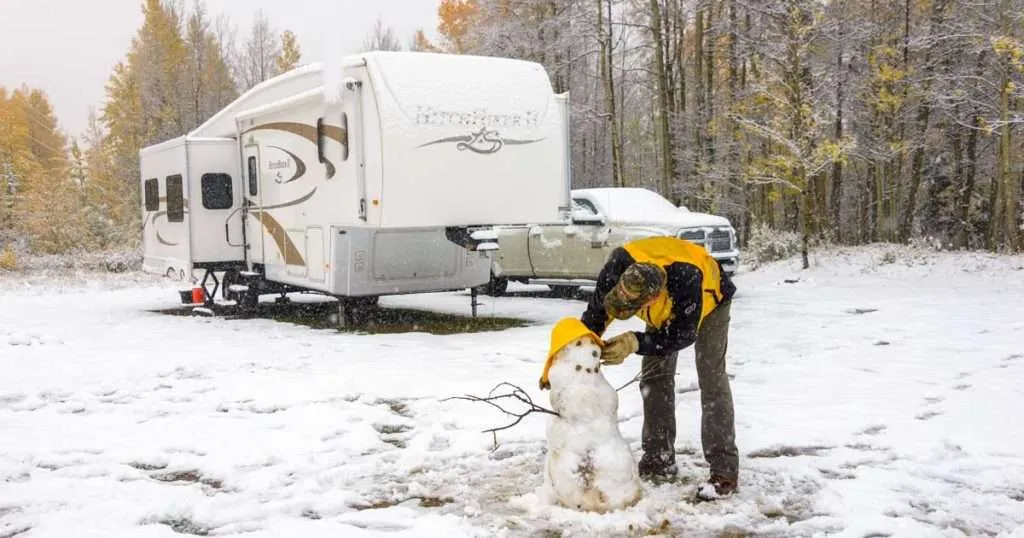
Yes, a family can live in a fifth wheel through a cold winter, but it takes more planning than the brochure suggests. Three things decide whether it goes well. First, keep the underbelly and tanks above freezing by running the propane furnace, skirting the rig and adding heat to the tanks. Second, budget for much more propane than you burn in summer. Third, control indoor moisture with a dehumidifier so condensation doesn’t turn into mold. A “four-season” sticker doesn’t replace any of that, so here is how to handle each piece before the first hard freeze.
In This Article
- What “four-season” does and doesn’t mean on a fifth wheel
- How the furnace, underbelly and tanks work together
- Why skirting matters, and when to install it
- Water hookup options when it freezes
- How much propane to plan for
- Condensation and mold with kids in a small space
- Living with kids in a winter fifth wheel
- The honest downsides of winter full-timing
- A pre-freeze checklist
“Four-Season” Is a Sales Term, Not a Standard
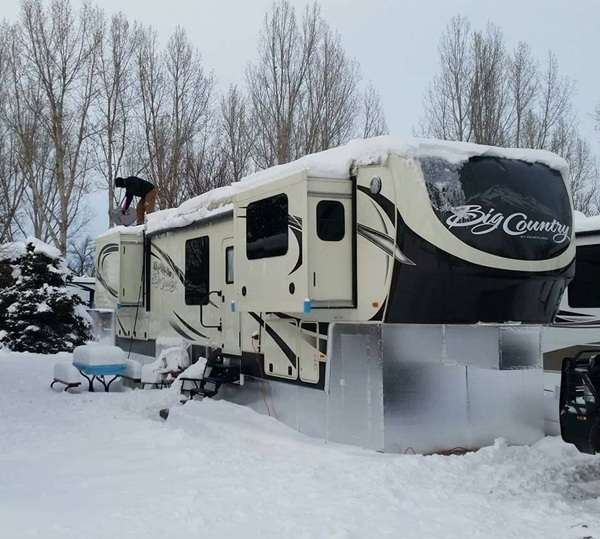
There is no industry checklist that defines “four-season” or “all-season,” so the label can mean anything from a bit of extra insulation to a purpose-built package. Ask what is actually in the rig: an enclosed, insulated underbelly, tank heaters, insulated water lines, dual-pane windows and a furnace sized for the space.
Be skeptical of insulation numbers too. Manufacturers often quote the R-value of the material, not the finished wall, and fiberglass compressed into a narrow cavity insulates less than its rating. Thermal bridging through the framing cuts it further, and anything quoted above about R-10 deserves a hard look. Some manufacturers publish a tested low temperature for their packages; treat that as a manufacturer claim, not a guarantee for a windy week at 0°F.
My practical takeaway: a fifth wheel with a real winter package gives you a head start, but skirting, a dehumidifier and extra propane are still part of the plan.

Let the Furnace Protect the Underbelly
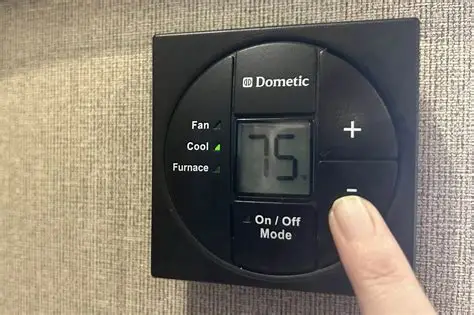
In most fifth wheels, the propane furnace sends warm air through ducts into the underbelly, and that is what keeps tanks and plumbing from freezing. Running only electric space heaters inside can backfire: they warm the living area, the thermostat shuts the furnace off, and the underbelly stops getting heat. Owners also point out that the furnace fan alone just moves room-temperature air that cools quickly once it reaches the belly ducts.
So in freezing weather, let the furnace cycle and use electric heat only as a supplement. Heat pads on the tanks help a lot. One owner runs theirs whenever temperatures drop below freezing, and another recommends 120-volt pads under each tank. Don’t assume the system is working because the furnace runs: one owner with a winter-rated trailer saw tanks freeze at 0°F with the furnace on until skirting went up.
Skirting: Install It Before the Ground Freezes
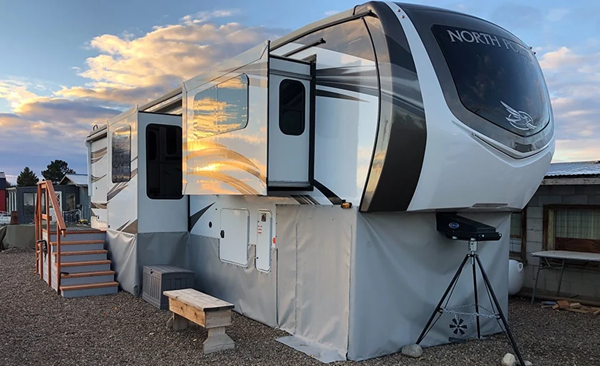
Skirting mostly blocks wind from blowing through the underbelly. Experienced owners disagree on how much it protects exposed systems by itself, but they agree it cuts heat loss, and one fifth wheel owner who went six months without skirting said he burned a lot of propane. Options range from fitted fabric or inflatable skirts to foil-faced foam board held with cinder blocks, or straw bales wrapped in poly sheeting.
Timing matters. Put it up before the ground freezes, because fastening and sealing it is much harder in a hard freeze. If you add a small heat source under the skirt, keep it safe and ventilated, and check your campground’s rules first.
Water: Heated Hose or Fill-and-Disconnect
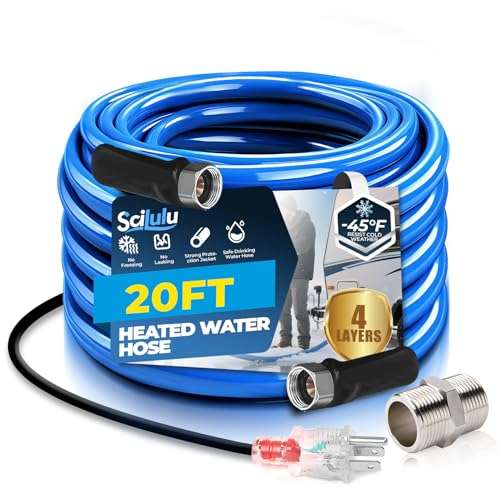
A heated fresh-water hose with an insulated spigot is the standard answer when you want to stay hooked up, and a heated sleeve for the sewer hose helps if you are on a site sewer connection. Owners warn that heated hoses can fail, so the backup plan matters.
A common alternative is to fill the fresh tank, disconnect the hose and run from the tank and pump. That removes the hose as a failure point, at the cost of refilling regularly. Whichever you choose, confirm the park keeps water on in winter, and keep holding tanks closed until they are full so waste doesn’t freeze in a nearly empty tank.
Propane: You’ll Burn More Than You Expect
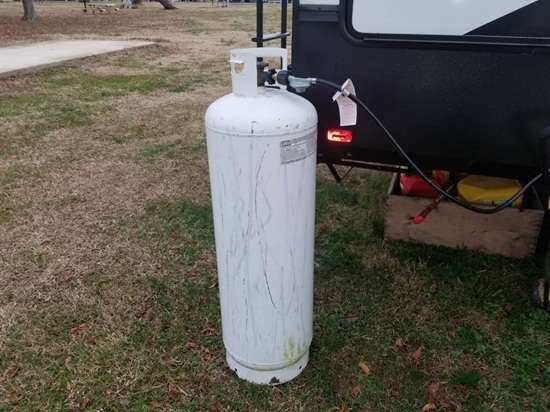
An RV is not a house, and a winter furnace runs far more than a summer water heater and stove. Owner reports vary widely with rig, wind and temperature. One couple said a 30-pound cylinder lasted three to four days; another owner with an inefficient furnace emptied two 20-pound cylinders in two days. Treat those as anecdotes, not a formula, and track your own use for the first cold week.
Plan for spare capacity. Keep at least two extra cylinders on hand, know where the nearest refill is, and consider larger tanks if you are parked for the season. Running out at 2 a.m. in a freeze is the scenario to design against, because the furnace is what protects your underbelly.
Condensation: The Problem Nobody Warns Families About
Running heat in a small, sealed space with a family cooking, showering and breathing in it puts a lot of moisture into the air. When that air meets cold windows and walls, it condenses. Left alone, it leads to mold; one full-timer reported black mold under two dinette benches before running a dehumidifier around the clock.
- Measure first. A cheap digital hygrometer tells you what the air is doing instead of guessing.
- Run a dehumidifier. Owners suggest a desiccant model for mostly cold-weather use and a compressor model for warmer, damp conditions. Many full-timers roll one into the bathroom at night.
- Don’t overdo it. Air below roughly 30% relative humidity can dry out skin and bother breathing.
- Ventilate and keep air moving. Crack a vent when cooking or showering, and leave closet and cabinet doors open on exterior walls.
Living With Kids in a Winter Fifth Wheel
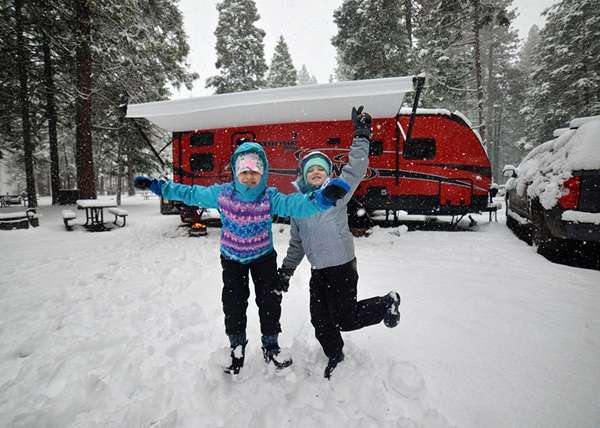
A few things that matter more in winter than in summer:
- Gear space. Wet coats and boots need a defined spot, or moisture ends up everywhere.
- Daily outside time. Short, bundled-up outings help everyone more than waiting for a warm afternoon.
- Safe heat. Keep portable heaters clear of bedding and walls, and test smoke and carbon monoxide detectors before the season.
- A backup plan. Know where you’d go if the power or propane fails overnight.
The Honest Downsides
Winter in a fifth wheel is doable, but it isn’t cheap or easy. Propane costs more, utilities run higher, and tasks like checking the hose, topping off tanks and clearing snow from slides add up. Some owners say plainly that a rig built mostly for three-season use is a stretch for deep cold, and you may need to move south for the worst weeks. If you can avoid long stretches below freezing, do.
Pre-Freeze Checklist
- Skirting installed before the ground freezes
- Furnace serviced and tested
- Tank heat pads working
- Heated hose and insulated spigot tested, or fill-and-disconnect plan ready
- Extra propane cylinders on hand, with a refill plan
- Dehumidifier and hygrometer in place
- Smoke and carbon monoxide detectors tested
- Seals and slide gaskets inspected
Jane Thomson writes about full-time family life on the road in a fifth wheel and is currently headed SOUTH :)