When it comes to protecting your RV from water damage, the ultimate guide to RV sealants is essential reading. Leaky roofs and seams rank among the most common — and expensive — problems RV owners encounter. Choosing the right RV sealants can prevent costly repairs, extend your rig’s lifespan, and keep your adventures worry-free. Whether you own an EPDM rubber roof, TPO membrane, fiberglass cap, or aluminum-skinned RV, selecting the proper sealant for the surface and orientation (horizontal vs. vertical) makes all the difference.
In this comprehensive guide, we break down the most common RV sealants, their specific uses, compatibility, and pro tips to help you maintain a watertight RV.
Why Proper RV Sealing Matters
RVs endure constant vibration, temperature swings, and UV exposure. Factory sealants break down over time, especially around roof vents, windows, doors, slide-outs, and seams. Regular inspection and reapplication every 1–3 years (or sooner in harsh climates) prevent interior damage, mold, and structural issues.

Key rule: Always clean surfaces thoroughly with isopropyl alcohol or the manufacturer’s recommended prep. Apply in dry, mild weather for best results.
Most Common RV Sealants and Their Uses
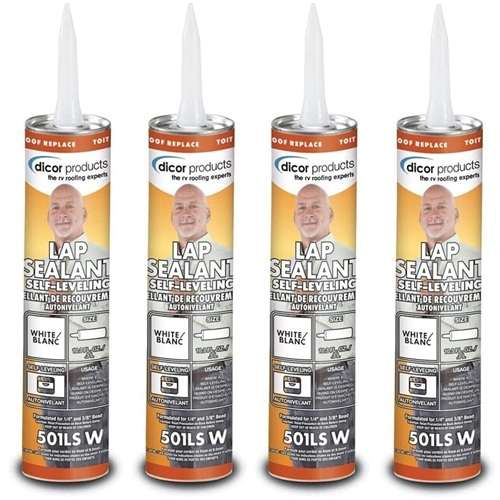
1. Dicor Self-Leveling Lap Sealant (e.g., 501LSW White, 501LSB Black)
This is the gold standard for most RV roofs.
Type: Rubber-based, self-leveling caulk (applied with a standard caulk gun).
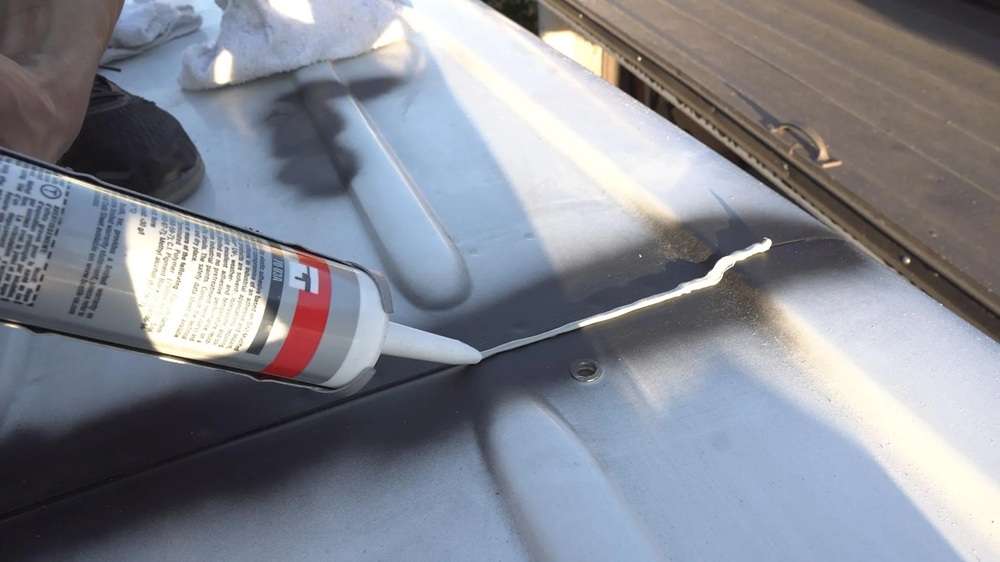
Primary Uses: Horizontal roof surfaces — around roof vents, air conditioners, plumbing pipes, screw heads, seams, and front/rear cap-to-roof joints. It flows smoothly to create a flat, watertight seal.
Compatible With: EPDM rubber, TPO, PVC, fiberglass, aluminum, wood, and vinyl.
Why It’s Popular: UV-stabilized, flexible, and won’t stain the roof membrane. Ideal for EPDM and many TPO roofs.
Note: Use only on flat/horizontal areas — it will run on vertical surfaces. Reapply every 3–5 years or when cracking appears.
2. Dicor Non-Sag (Cap) Sealant (e.g., 351CST Non-Sag)
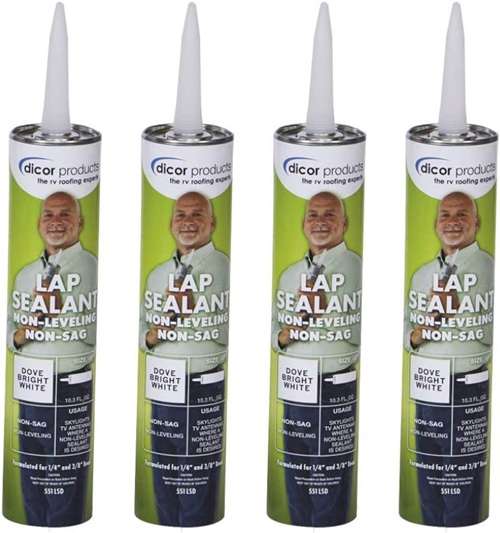
Type: Thicker, non-sag formula that holds its shape.
Primary Uses: Vertical or sloped surfaces where self-leveling sealant would drip, including roof edges, side seams, and cap transitions.
Compatible With: Same broad range as Dicor self-leveling products.
Pro Tip: Many owners use both Dicor self-leveling and non-sag together for complete roof resealing jobs.
3. Geocel ProFlex RV Flexible Sealant (Clear, White, or Colored)
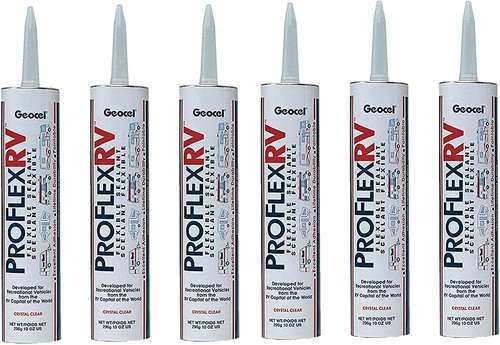
Type: High-performance polyurethane-based, non-sag sealant.
Primary Uses: Vertical seams, sidewalls, windows, doors, slide-outs, and body-to-roof transitions. Excellent for areas with movement.
Compatible With: Fiberglass, EPDM, TPO, aluminum, wood, and most RV materials. Works over itself and on slightly damp surfaces.
Why It’s a Favorite: Highly flexible, minimal shrinkage, dirt-resistant, and longer-lasting than many alternatives on high-movement areas. Often preferred by RV techs over standard silicone for sidewalls and windows.
Note: Not the first choice for large flat rubber roof membranes — better for targeted vertical applications.
4. Heng’s NuFlex 311 Self-Leveling Silicone
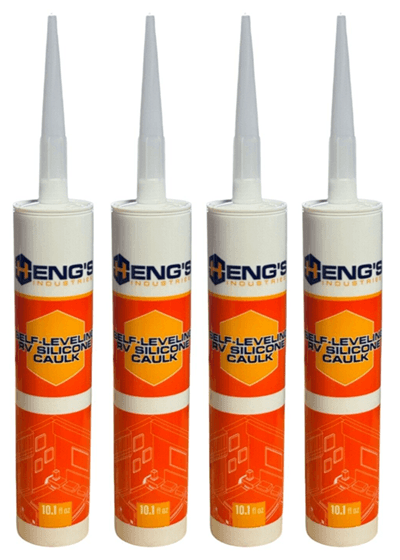
Type: Self-leveling silicone caulk.
Primary Uses: Horizontal surfaces on fiberglass roofs — vents, seams, and fixtures.
Compatible With: Fiberglass (common on older Winnebago-style rigs) and PVC vent edges.
Why It’s Common: Factory choice for many fiberglass RV roofs where rubber-based sealants may underperform.
5. Sikaflex 221 or Sikaflex 715 Polyurethane Sealant
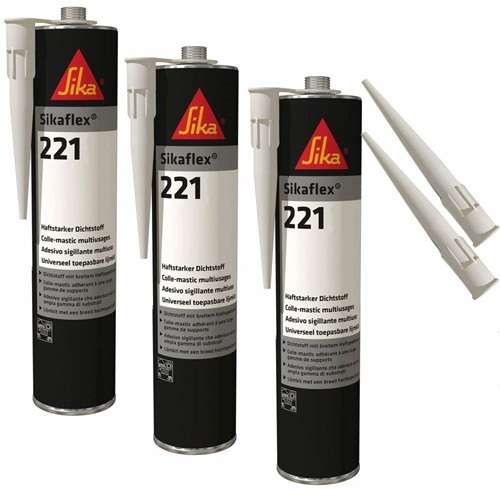
Type: Premium, low-VOC polyurethane adhesive/sealant with excellent adhesion and flexibility.
Primary Uses: Seams, windows, doors, vents, and general adhesive/sealing on vertical or horizontal surfaces.
Compatible With: Fiberglass, metal, rubber roofs, and most RV substrates.
Why It’s Recommended: Superior longevity and strength in demanding conditions. Many professionals choose Sikaflex for high-performance repairs.
6. EternaBond RV Roof Repair Tape (MicroSealant Technology)
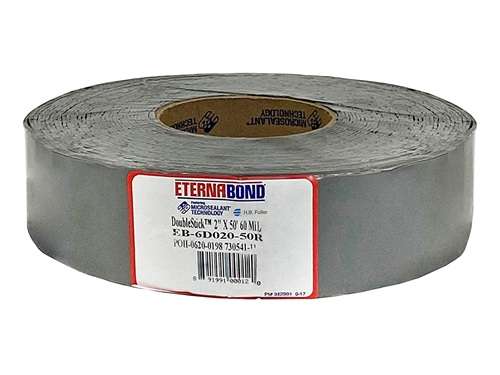
Type: Butyl rubber-based sealant tape (not a liquid caulk).
Primary Uses: Emergency or permanent repairs over seams, cracks, tears, vents, and fixtures. Often layered over existing sealant.
Compatible With: EPDM, TPO, fiberglass, aluminum — nearly any surface.
Why It’s Essential: Provides an instant, watertight barrier. Many RVers and pros use it for quick fixes or long-term reinforcement.
7. Butyl Tape and Butyl Caulk
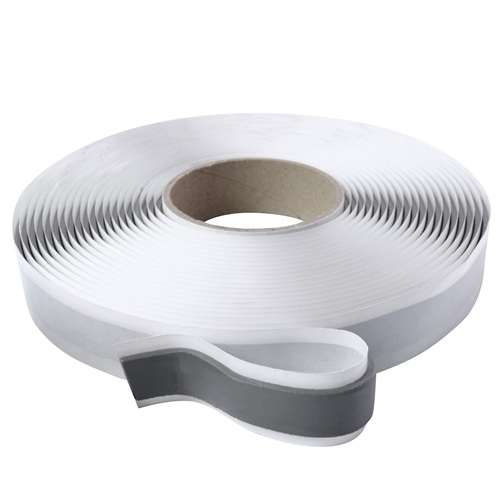
Type: Non-curing, permanently pliable butyl rubber.
Primary Uses: Under flanges (vents, windows, skylights), between frames and sidewalls, or as a bedding layer before applying lap sealant.
Compatible With: Almost all RV materials.
Why It’s Common: Remains flexible indefinitely and was a factory standard for many joints.
More: Ultimate Guide to RV Starter Kits: Essential Gear for Beginners
8. 100% Silicone Caulk (RV-Grade or Exterior, Neutral-Cure Preferred)
Type: Pure silicone sealant (clear or white).
Primary Uses: Windows, doors, and some vertical body seams (avoid on roofs).
Compatible With: Fiberglass, metal, glass — but not recommended for EPDM or TPO rubber roofs (poor bonding and complicates future repairs).
Caution: Modern alternatives like ProFlex or Sikaflex are usually better for exterior RV use.
Quick Application Guide by Roof Type
- EPDM Rubber or TPO Roofs — Dicor self-leveling (horizontal) + non-sag (vertical) + EternaBond tape for repairs.
- Fiberglass Roofs — NuFlex 311 self-leveling silicone or Geocel ProFlex.
- Aluminum or Metal Roofs — Compatible polyurethane options like Sikaflex or ProFlex.
- General Vertical Seams/Windows/Slide-Outs — ProFlex, Sikaflex, or Dicor non-sag.
Pro Tips for Long-Lasting Results
- Build a roadside emergency kit: One tube each of Dicor self-leveling, ProFlex, and a roll of EternaBond tape.
- Identify your roof type first — EPDM feels soft and rubbery; TPO is smoother and firmer; fiberglass is rigid.
- For full roof maintenance, combine lap sealants with a quality RV roof coating (e.g., Dicor EPDM or TPO systems) for added UV and weather protection.
- Avoid cheap hardware-store silicone on rubber roofs — it attracts dirt and fails faster.
Final Thoughts
The best RV sealants — Dicor lap sealant, Geocel ProFlex, Sikaflex, and EternaBond tape — have proven themselves over decades of real-world use. Investing a little time and the right products now prevents expensive water damage later.
Inspect your RV’s seals at least twice a year (spring and fall) and reapply as needed. If you’re unsure about your roof type or a specific area (vent, window, or slide-out), consult your owner’s manual or a certified RV technician.